

Virtual and In-Person Therapy for Punjabi and South Asian Women in Mississauga, Brampton & Ontario who are ready to life live on their own terms.
You’ve played your part. You did well in school, you started your career, you listened to your parents, you followed all the rules.
But you’re not satisfied. You don’t feel proud.
You reach one goal, but then another one pops up.
On the inside, you’re constantly thinking about what you should be doing better.
You feel guilty for saying no.
You can’t make decisions without polling everyone.
You wonder what people will say (“log kya kahenge”)
And your own inner critic is louder than any of them.
You’ve tried the vacations, the meditation apps, and the long talks with friends.
It’s. Still. Not. Enough.
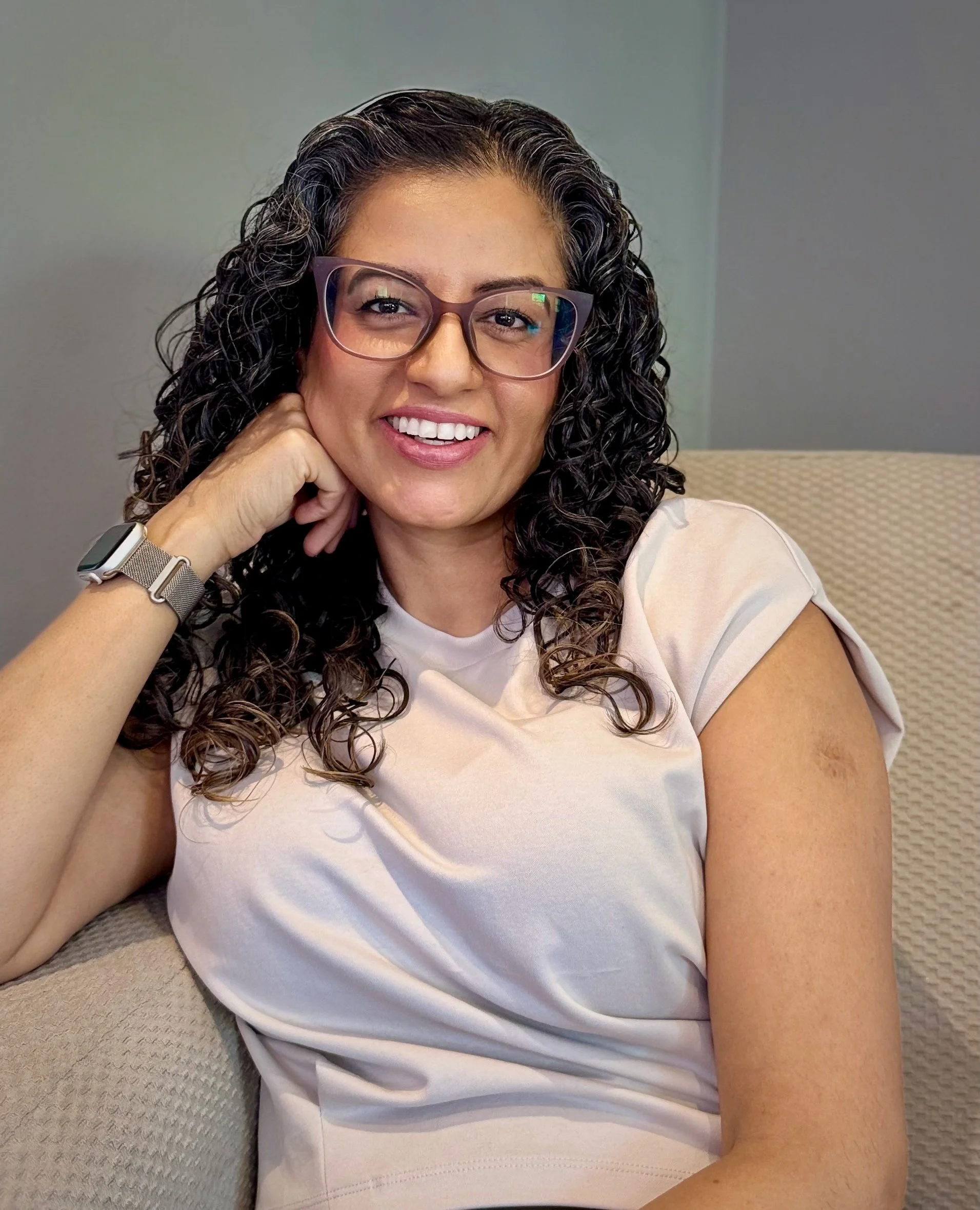
As a second generation Punjabi, I’ve navigated the pain of carrying the expectations of two cultures. I know what it feels like to fear the disapproval of your parents, your extended family and the rest of our community. You don’t have to waste time explaining the cultural customs, the intense expectations or why you feel guilty saying no to virtually anything.
I’m South Asian and understand this because I’ve been you.
As a High Achieving Woman, does this sound familiar?

What’s Underneath?
You say yes without checking if you actually have the capacity
You never ask for help, but you’re always supporting others
Doing more feels comfortable, but it leads to exhaustion
Rest feels like something you have to earn first.
You “should” on yourself, expect yourself to anticipate mistakes and problems
If you are celebrated or acknowledged for your hard work, you brush it off or discount it
You’re always “fine” and no one ever asks how you’re doing
This is called over-functioning. It’s been such a huge helper to you for many years. Being capable, reliable, and low maintenance made things less stressful for your caregivers, kept things running and preventing them from getting worse. For a lot of daughters of immigrants, it was also a way of paying back your parents for all of the challenges they experienced coming to this country.
Over-functioning is not the issue, it’s that you were never taught how to switch it off. And now it runs in the background and is keeping you stuck, anxious and tired. Let’s work together to turn down the dial.
Imagine if you could:
actually say no by finding a way to support your needs and theirs
make a decision without feeling like you’re being bounced around between everyone’s opinions
make mistakes without it feeling like it’s the end of the world
actually rest without your mind “shoulding” on you and keeping you on edge while you’re trying to watch Love is Blind
define what success means to you instead of wondering what your parents, aunties or uncles think
hear a compliment, acknowledgement or praise and actually truly believe it
Meet Hardeep Ajmani, a Punjabi Registered Social Worker and Psychotherapist in Mississauga, Brampton and Ontario
I have wanted to be a therapist since I was 16 years old. Growing up as a Punjabi Sikh second generation kid, I internalized the high expectations for academic success, trying to make my parents proud and gain their approval and I struggled to manage the competing demands of two cultures.
Not until I was in therapy for work stress and burnout, did I realize that I embodied perfectionistic and anxious tendencies. That knowledge and the work I put in to break the patterns, helped me live with more confidence, authenticity and capacity to manage the inevitable ups and downs of life.
I hold an intense respect for the therapeutic process and the relationship that a person creates with their therapist. In more than 20 years of clinical practice in the mental health field, I have strived to ensure that the people I work with get the highest support.
I’m so excited to help you see yourself the way you were meant to be seen. Your confident and settled existence is waiting.
Here are a few of my absolute favourite issues to help South Asian Women with….
Perfectionism and the inner critic
People-pleasing and boundaries
Burnout and work stress
Imposter syndrome and never feeling good enough
Overthinking and Rumination
Navigating cultural and family expectations
Race-based stress at work
We’ll do great work together if……
You can commit time and energy outside of session to practice skills and mindset shifts
You can attend weekday daytime sessions on a weekly or bi-weekly basis initially to jump-start your healing
You want a therapist who won’t just nod along but will name the pattern, and hold you (kindly) to the changes you say you want
You are ready to step out of your comfort zone
You are open to learning about mindfulness, self-reflection, and our body’s role in wellness
You recognize that change takes time and effort
You prefer a therapist who swears, calls out the patriarchy/colonization, likes to share knowledge and talks with her hands
You will be disappointed if…..
You’re looking for immediate resolution for your pain and suffering
Life is way too busy to practice skills or reflect outside of session
You’re looking for just the skills and strategies and want to be told what to do
You feel a strong sense of urgency to feel better
You want someone to agree with you
You don’t believe your past has a bearing on the present or future and don’t want to talk about it
You believe that it is my job to “fix” you

The land from which I practice is part of the Treaty Lands and Territory of the Mississaugas of the Credit. For thousands of years, Indigenous peoples inhabited and cared for this land, and continue to do so today. In particular I acknowledge the territory of the Anishinabek, Huron-Wendat, Haudenosaunee and Ojibway/Chippewa peoples; the land that is home to the Metis; and most recently, the territory of the Mississaugas of the Credit First Nation who are direct descendants of the Mississaugas of the Credit.